

How to Exfoliate Your Face: A Step-by-Step Guide
If there’s one tried-and-tested technique to unveil smoother, brighter, clearer skin, it’s exfoliation. However, if you’re experimenting with exfoliants for the first time, it’s important to introduce these ingredients carefully. So, how do you exfoliate skin correctly?
In this guide, we’ll walk you through our step-by-step process for how to exfoliate your face so that you can target breakouts, refine skin texture, and unlock glowing skin.
Now, read on to find out which type of exfoliation is right for you and how you can mitigate your skin concerns – without disrupting the ever-important skin moisture barrier.
What does exfoliation do for your skin?
Exfoliation helps slough dead skin cells that accumulate on the skin surface. By gently nudging your sluggish skin cell turnover, exfoliation:
• Regulates sebum production
• Unclogs pores and reduces the appearance of enlarged pores
• Minimises the occurrence of blemishes (like blackheads and whiteheads)
• Smooths out the look of textural concerns (such as fine lines)
• Unifies and brightens skin tone
• Diminishes the look of dark spots, age spots, and post-blemish marks
What are the different types of exfoliation?
There are two main types of exfoliation – physical and chemical. Let’s dive into each:
• Physical exfoliation is also referred to as ‘manual’ exfoliation because it involves manually scrubbing away dead skin cells with loofahs, washcloths, dry brushes, or other beauty tools. However, you can also find physical exfoliants formulated as scrubs, which are formulated with ultrafine particles to slough the skin surface.
• Chemical exfoliation relies on alpha hydroxy acids (AHAs), beta hydroxy acids (BHAs), and polyhydroxy acids (PHAs) to dissolve the bonds the hold dead skin cells together. This helps encourage skin cell turnover and bring smoother, brighter skin to the surface. Chemical exfoliants are typically formulated in cleansers, toners, and serums – like Kiehl’s Clearly Corrective™ Daily Re-Texturizing Triple Acid Peel which includes a blend of AHA, BHA, and PHA.
Chemical exfoliants tend to be more compatible with the skin on your face, whereas physical exfoliants are best left to the skin on the body – which is generally tougher.
How often should I exfoliate?
Start by identifying your skin type and concerns, as this will impact how often you can tolerate an exfoliant. If you need some guidance, you can follow our general tips below.
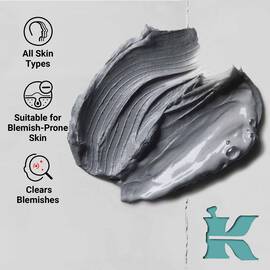
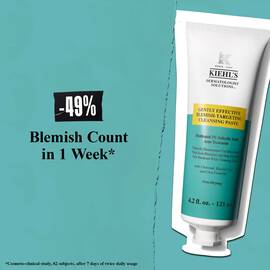
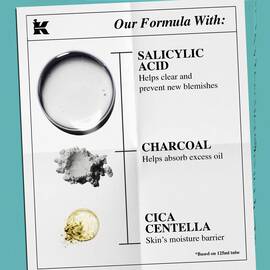
• Oily or blemish-prone skin: two to three times a week with a BHA-based cleanser or serum is well-suited for oily skin exfoliation. Try our Gently Effective Blemish-Treating Facial Cleansing Paste. Formulated with charcoal, kaolin clay, and 2% salicylic acid, it absorbs oil, cleanses pores, and reduce whiteheads, blackheads, and other blemishes. Its non-drying formula also contains glycerin and cica centella, which help reinforce your skin moisture barrier without dehydrating your skin.
• Dry or sensitive skin: one to two times a week with a gentle AHA exfoliating serum – which tend to be more comfortable for less tolerant skin type.
• Combination skin: adjust your schedule based on oil-prone areas – like the t-zone.
• Dull or mature skin: once or twice per week with AHAs may help improve tone and texture with dehydrating the skin.
How do you exfoliate skin? A step-by-step guide
So, you’ve determined which type of exfoliation is best for your skin and how often – but how do you exfoliate your skin? We recommend building out your routine with products that align with your skin type. This will keep your complexion balanced while you stimulate the skin’s natural renewal process. Here are our tips:
1. Wash your face with a cleanser that’s compatible with your skin type.
2. Apply your exfoliating serum (night only).
3. Follow with a hydrating serum to minimise dryness.
4. Nourish the skin surface with a moisturiser.
5. Protect your skin with a broad-spectrum, high-SPF sunscreen (morning only).
Read on as we take you through our five-step routine.
1. Cleanse to remove impurities
Before you can move on to how to exfoliate skin, you must always start your routine by cleansing your face. This helps to remove impurities that could interfere with or degrade the effectiveness of your exfoliant.
• Oily, blemish prone skin: a salicylic acid-based cleanser like our Blue Herbal Acne Cleanser Treatment helps cleanse pores and banish blackheads, whiteheads, and other types of blemishes.
• Brightening and clarifying: in addition to cleansing dirt, oil, and debris, the Clearly Corrective™ Brightening & Exfoliating Daily Cleanser also helps visibly brighten and unify skin tone.
• Dry skin: you might want to skip exfoliants in your cleanser. Instead, opt for the Ultra Facial Cleanser, our gentle squalane-infused cleanser that supports hydration.
2. Apply a chemical exfoliant
You can harness the power of BHAs and AHAs with an exfoliating serum. And, because they don’t rely on manual exfoliation, chemical exfoliants are a gentler – yet still highly effective – method for how to remove dead skin from face. However, since exfoliants can make your skin more photosensitive, we suggest application at night only.
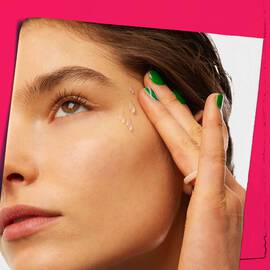
Start with cleansed, full-dry skin, then apply four to five drops of the Ultra Pure High-Potency 9.8% Glycolic Acid Serum. Formulated to dissolve dead skin cells and encourage the natural renewal process, this exfoliating serum is designed to help smooth texture, visibly improve skin tone, and minimise the appearance of pores.
3. Use a hydrating serum
When you’re in the early stages of learning how to exfoliate skin, you might notice increased dryness – this is common for BHAs and AHAs.
If your skin is already prone to dryness, we suggest incorporating a hydrating serum to boost moisture levels in the skin. Infused with glycerin and epidermal hydration filler, the Hydro-Plumping Serum Concentrate helps visibly plump and hydrate the skin surface. You can apply this serum directly after your exfoliating serum.
4. Follow with moisturiser
Moisturiser as an essential step for every skincare routine to help nourish the skin moisture barrier and seal in hydration. With that in mind, it’s important to find the best moisturiser for your skin type so that your skin stays balanced.
Below, explore two of Kiehl’s most beloved formulas.
• Ultra Facial Oil-Free Gel Cream: developed for oily to normal skin types, this oil-free, non-comedogenic moisturiser delivers all-day hydration without clogging pores – a natural follow up to oily skin exfoliation.
• Ultra Facial Cream: blending two hero hydrators – squalane and glycerin – Ultra Facial Cream supports the skin moisture barrier and ensures skin stays soft and nourished for up to 24 hours.
5. Don’t forget SPF (morning only)
UV exposure is always a concern for New Zealanders, but you’ll need to be extra mindful when dabbling with BHAs and AHAs – which make your skin more susceptible to sun damage. To protect your skin, always reach for a broad-spectrum sunscreen with a high protection factor.
Once you have completed your morning skincare routine, apply the Ultra-Light Daily Facial Sunscreen UV Defense SPF 50 PA++++ to your face and neck, waiting at least 20 minutes before sun exposure.
Bonus tips: Exfoliation dos and don’ts
Now you’ve mastered our steps for how to exfoliate your face, read up on our addendum of dos and don’ts to help you maintain skin comfort:
• Do: choose the exfoliant that’s right for your skin type. For instance, gentle AHAs are well-suited to dry skin types. BHAs penetrate deep into pores, making them ideal for oily skin exfoliation.
• Don’t: over-exfoliate. This can compromise your skin moisture barrier and lead to heightened skin sensitivity.
• Do: keep your skin hydrated. Make sure you are boosting hydration with serums and moisturisers.
• Don’t: combine with retinol or other harsh ingredients. This can dry and sensitise the skin.
Now that you have learned how to exfoliate skin, it’s time for a deep dive on how chemical exfoliants can be used to reduce the appearance of dark spots on the face.
Shop this article.
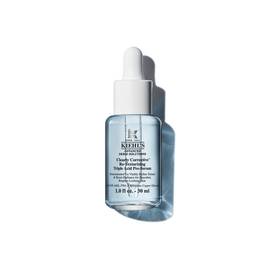
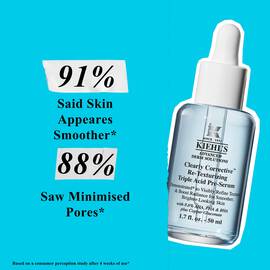
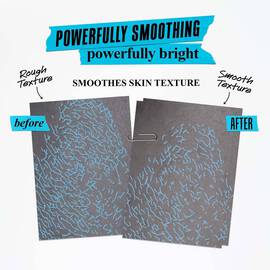

Clearly Corrective™ Daily Re-Texturizing Triple Acid Peel
A gentle Triple Acid exfoliating serum for face specifically formulated with AHA, BHA and PHA to reduce pores, smooth skin texture, and boost radiance.
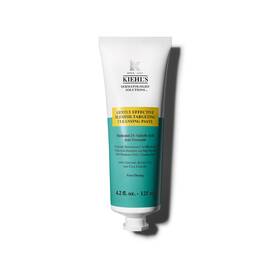
Gently Effective Blemish-Treating Facial Cleansing Paste
Clinically proven face cleanser for pimples with Salicylic Acid, Kaolin Clay, and Charcoal to reduce and prevent blemishes without drying skin.

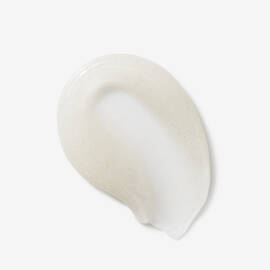

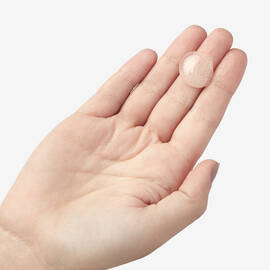
Clearly Corrective™ Brightening & Exfoliating Daily Cleanser
A skin brightening face wash that gently purifies and exfoliates skin. The Kiehl's Clearly Corrective Brightening Cleanser is formulated with skin brightening ingredients to gently cleanse dirt and environmental pollutants while boosting overall skin clarity. Achieve radiant, fresh skin with this Kiehl's skin brightening exfoliator cleanser.
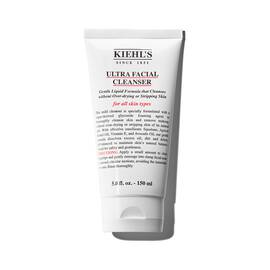
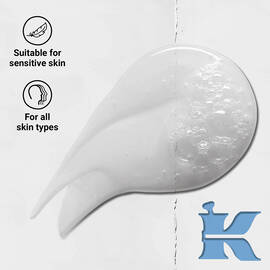
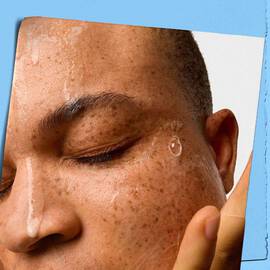
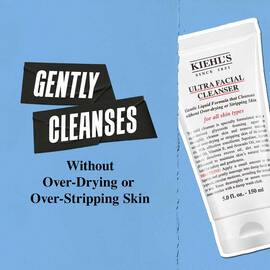
Ultra Facial Foaming Cleanser
A gentle yet effective foaming facial cleanser that removes excess oil, dirt and debris while supporting the skin’s natural balance.
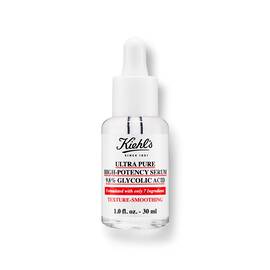
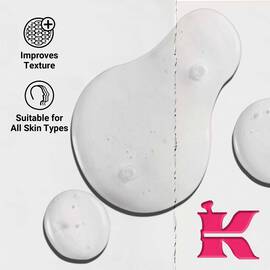
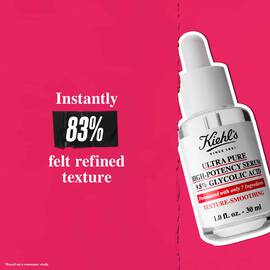
Ultra Pure High-Potency 9.8% Glycolic Acid Serum
A concentrated 9.8% glycolic acid serum that visibly smooths skin texture and boosts skin's glow. Minimally formulated with only seven ingredients, this ultra pure and highly potent glycolic acid face serum will reduce the appearance of pores for a smooth, healthy-looking complexion.
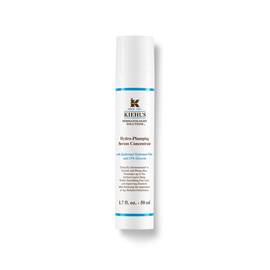
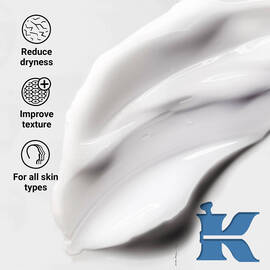
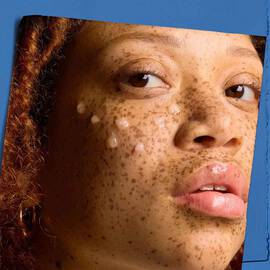
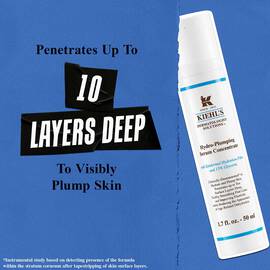
Hydro-Plumping Serum Concentrate
An efficacious skin plumping serum that hydrates to help skin maintain its bouncy appearance.
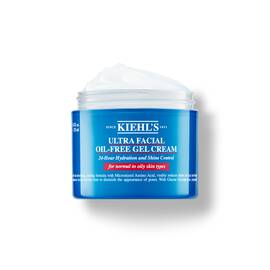
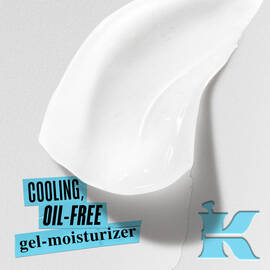
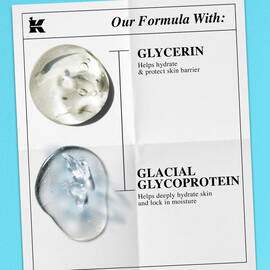
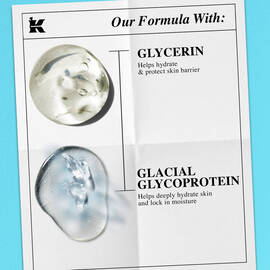
Ultra Facial Oil-Free Gel Cream
A shine-reducing, cooling oil-free moisturiser for oily skin. The Ultra Facial Oil-Free Moisturiser uses a non-greasy, non-comedogenic formula and provides skin with fresh 24-hour hydration. Discover this oil-free gel moisturiser cream now suitable for oily to normal skin types.

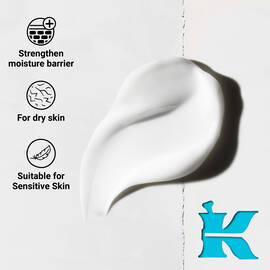
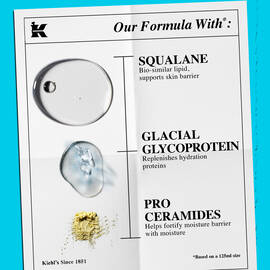
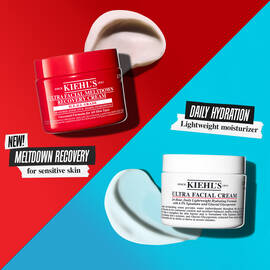
Ultra Facial Cream with Squalane
Our best selling daily face cream for ultra-lightweight, 24-hour hydration, formulated with Squalane. This lightweight moisturiser is suitable for all skin types, including sensitive, and provides instant hydration for soft, smooth and healthy-looking skin. Fragrance-free.
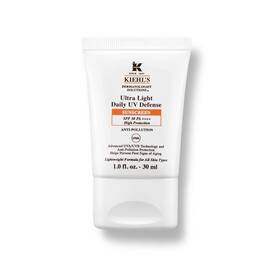
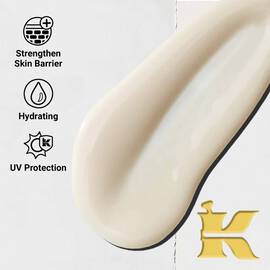

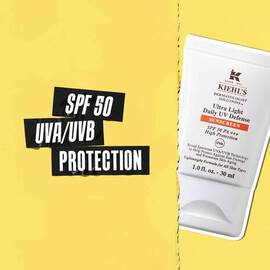
Ultra-Light Daily Facial Sunscreen UV Defense SPF 50 PA++++
A lightweight, non-greasy SPF 50 PA++++ facial sunscreen that protects the skin from pollution and harmful UVA/UVB rays that cause photodamage and premature <a href="https://www.kiehls.co.nz/skin-concern/anti-aging/">ageing</a>.
