

HYPERPIGMENTATION 101
Hyperpigmentation is a skin concern characterised by dark spots on the face. Some types tend to fade over time, while others are in it for the long haul and can affect how you feel about your skin. These dark spots can be tricky to cover with makeup or fade with your usual skincare faves, signalling that a more targeted approach might be needed. To fade skin hyperpigmentation, the first step is to get to know what makes this pesky skin concern tick. Read on to learn what causes pigmentation on the face, the three distinct types of hyperpigmentation, and how you can tackle it with Kiehl’s apothecary skincare.

What causes hyperpigmentation on the face?
A few factors can cause hyperpigmentation, and these fall under the broad umbrellas of genetic, environmental or a combination of the two. For example, people with darker skin tones are generally more likely to experience hyperpigmentation – especially a specific kind called post-inflammatory hyperpigmentation, which we’ll unpack later. In general, here are some activities and factors that can lead to dark spots on skin:1
- Sun exposure
- Skin conditions
- Skin injuries
- Blemishes
- Hormonal factors
- Medical conditions
1https://www.ncbi.nlm.nih.gov/pmc/articles/PMC10304091/
The 3 types of hyperpigmentation
Did you know there are 3 different types of skin hyperpigmentation? Although the methods used to fade dark spots are reasonably consistent, knowing which type of hyperpigmentation you’re experiencing is a helpful first step. You can identify the type of hyperpigmentation on your complexion using the following cues:
- Sun spots: also called ‘age spots’ or ‘liver spots’, sun spots are a kind of dark spot on the face that results from UV exposure. As UV exposure is cumulative (meaning it builds up over the course of a lifetime) sun spots become more commonplace as we age. They look like brown, tan or dark marks in appearance.
- Melasma: melasma is a skin condition that’s caused by a range of hormonal, environmental and genetic factors. It appears as large patches of skin that are darkened in relation to your usual skin colour, and it’s more common during pregnancy and for people with deeper skin tones.2
- Post-inflammatory hyperpigmentation: it’s in the name: post-inflammatory hyperpigmentation can appear after the skin has undergone some kind of injury or inflammation. This could be blemishes, ingrown hairs, scratches, bug bites, sunburn and more.3 Post-inflammatory hyperpigmentation looks like spots or patches of pigmented skin.2
2https://www.medicalnewstoday.com/articles/323808
3https://www.sciencedirect.com/science/article/pii/S0022202X15526651
Is it possible to prevent hyperpigmentation?
As outlined above, some causes of hyperpigmentation relate to skin colour, genetic and hormonal factors that are out of your hands. But to a certain extent, you can prevent hyperpigmentation that’s caused by environmental factors like UV exposure.
So, let’s turn our focus to what is possible: protecting your skin from sun damage. We recommend applying a broad-spectrum SPF 50+ to your complexion daily, making sure to use the amount outlined on the product label for effective coverage – approximately a teaspoon should be enough. When in doubt, try measuring out a teaspoon so you know how much to apply in future.
Besides this, following sun safety recommendations like wearing a hat, sunglasses and protective clothing and seeking shade will help you avoid UV exposure and pigmentation on the face in the long run.
How to fade hyperpigmentation
If you’ve noticed dark marks on your face that you’d like to fade, the right skincare formulas can help get you there. There are multiple skincare methods you can employ to fade hyperpigmentation caused by blemishes, UV exposure or other factors. These are fuelled by powerful formulas enriched with skin-brightening ingredients – and it all starts with SPF, SPF, SPF.
While certain ingredients can be potent additives to your brightening skincare regimen, sun protection comes first as it can help prevent future UV damage while supporting your skin to recover from existing damage. Once you have this crucial step down, consider adding one, or a combination of the below ingredients into your skincare routine to help fade hyperpigmentation.

Retinol and exfoliants
This method of fading hyperpigmentation involves the process of skin cell turnover, whereby dead skin cells are shed revealing fresher skin on the surface. As this process occurs, skin that isn’t marked by damage emerges and hyperpigmentation is visibly reduced. But instead of leaving things to the passage of time, we can stimulate skin cell turnover with potent ingredients like retinol and exfoliants.
If you’re new to retinol we suggest opting for a low-dose serum like Retinol Skin-Renewing Daily Micro-Dose Serum. Gentle enough for even sensitive skin, you can apply our daily-strength retinol each night to clean, dry skin for best results. Always use a broad-spectrum SPF in the morning, as retinol can increase photosensitivity.
Once you’ve gradually increased your skin’s tolerance to retinol, you can reach for a more potent formula like Retinol Fast Release Wrinkle-Reducing Night Serum. This highly concentrated formula deeply penetrates the skin to help stimulate skin cell turnover and brighten your complexion.
Alternatively, you can support healthy skin cell turnover with the help of an exfoliating cleanser. Our Clearly Corrective™ Brightening & Exfoliating Daily Cleanser is up for the task, with natural exfoliant pearlstone to refine the surface of skin.
Antioxidants
Adding antioxidants like vitamin C, vitamin E and certain plant extracts to your skincare routine can help you along the way to fading hyperpigmentation. Antioxidants are substances that can neutralise molecules called ‘free radicals’ which, when exposed to skin, can cause oxidative stress to skin cells. UV radiation itself is a major source of oxidative stress to our skin, alongside pollution, smoking and more.
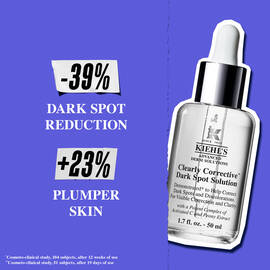
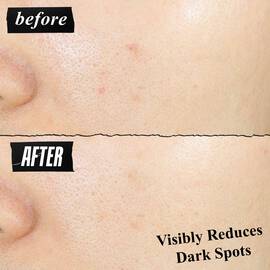
Oxidative stress can lead to increased pigmentation, so interrupting this process with antioxidants can help keep skin to look bright and even in tone. To utilise the benefits of antioxidants for fading dark spots on the face, try a vitamin C serum like Clearly Corrective™ Dark Spot Solution. This multifaceted serum makes use of Activated C alongside salicylic acid and peony extract to effectively target dark spots.

Niacinamide
You’ll often see niacinamide featured as a hero ingredient in brightening skincare formulations. This is because it has the ability to inhibit melanin transfer – melanin being the substance that gives skin its pigment. Dark spots on the skin are the result of melanin accumulating, so by applying niacinamide topically, you can reduce their appearance.
Look for a niacinamide serum or moisturiser to introduce to your skincare regimen. For a high potency niacinamide serum, we love Ultra Pure High-Potency 5% Niacinamide Serum. Apply to clean, dry skin in the morning, evening or both to improve skin evenness.
That’s a wrap on our hyperpigmentation 101 – we hope you found it helpful. Next, learn the foundations of retinol for beginners to start your journey with this potent ingredient.
SHOP THIS ARTICLE
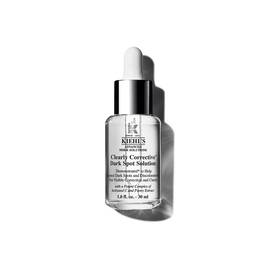

Clearly Corrective™ Dark Spot Solution
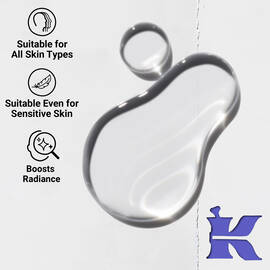
Kiehl's Dark Spot Serum with Activated C & Salicylic Acid to reduce dark spots, post-acne marks & skin discolouration. This serum is also paraben-free & ideal for all skin types.
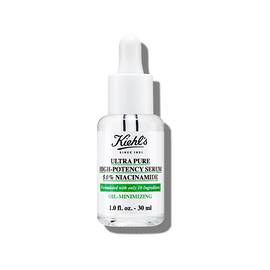

Ultra Pure High-Potency 5% Niacinamide Serum
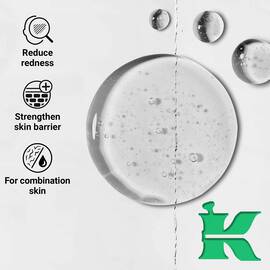
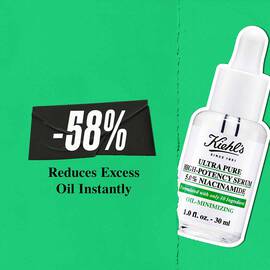
A concentrated 5% niacinamide serum for oily skin that visibly reduces excess oil and imperfections. Formulated with only ten ingredients, this ultra pure serum uses a minimal formula for maximum absorption and efficacy. Achieve balanced and healthy-looking skin with this face serum for oily skin.
