

What are Blackheads – and What Causes Them?
No matter your skin type, you’ve probably had to deal with blemishes before. But what are blackheads – and how are they different?
If you’ve encountered this skin concern before, you’ll know that blackheads can be tough to manage. And left unchecked, they can exacerbate breakouts and post-blemish hyperpigmentation, so it’s important to target the root cause with the right products. The good news? Kiehl’s has a range of efficacious formulas to deeply unclog pores, regulate oil production, and refine the look of skin texture.
In this guide, we’ll be delving into what causes blackheads along with our six expert-backed skincare tips to help you attain smoother, clearer-looking skin.
What are blackheads?
Blackheads are a type of blemish that forms on the skin when a pore or hair follicle becomes blocked with dead skin cells, sebum, dirt, and other bacteria. This clogged matter creates a raised plug on the skin surface that turns black or brown when it oxidises (makes contact with oxygen). These types of blocked pores are known as ‘comedones’ – and they often appear on areas of the skin that produce high levels of sebum.
What causes blackheads?
Blackheads are the result of trapped sebum and dead skin cells inside pores. As such, they’re more common in skin types with enlarged pores and higher sebum levels – like oily, combination and blemish-prone skin. However, other skin types may still be affected. Hormonal fluctuations and changes to skin cell turnover are what creates blackheads in most cases, though external factors like humidity, pollution, and comedogenic cosmetics may also be a culprit.
Where do blackheads form?
Blackheads are often concentrated to areas of the skin that have a higher number of sebaceous glands. The T-zone – your chin, nose and forehead – is considered the epicentre of oil glands on the face. And this is generally what causes blackheads on the nose. However, you may also experience blackheads on the cheeks, as well as other areas of the body like the neck, chest, back, and shoulders.
What’s the difference between blackheads and whiteheads?
Blackheads and whiteheads are types of clogged pores – known as comedones. But there’s a key difference between blackheads vs whiteheads:
- Blackheads are open comedones – the clogged pore is exposed to oxygen and turns black as a result.
- Whiteheads are closed comedones – they’re small and raised on the skin surface, with a noticeable white head and trapped impurities.
You might also be wondering about the difference between blackheads vs whiteheads vs pimples. While they’re all considered types of blemishes, pimples are usually red in appearance and may be uncomfortable to the touch.
How to get rid of blackheads: 6 prevention and treatment tips
Now that you have an idea of what causes blackheads, you can adjust your skincare routine to include exfoliating ingredients that refine texture and regulate sebum production. Keep in mind that blackheads are more than a surface-level skin concern; they require a targeted approach over a cosmetic ‘fix’. Continue reading to find out what gets rid of blackheads and how you can minimise your chance of future breakouts.
Wash your face with a targeted cleanser
It’s important to choose a facial cleanser that imparts anti-blemish ingredients to the skin while gently removing impurities. And the Gently Effective Blemish-Treating Facial Cleansing Paste is up to the task. Salicylic acid and kaolin clay are at the heart of this formula to gently unclog pores and reduce the appearance of blemishes, while bio-based cica-centella and glycerin maintain comfort and hydration.
Exfoliate your skin
Chemical exfoliants are particularly effective to get rid of blackheads since they work below the skin surface to deeply unclog pores, control oil, and dissolve the bonds between dead skin cells. The Clearly Corrective™ Daily Re-Texturizing Triple Acid Peel is enriched with three types of chemical exfoliants: alpha hydroxy acids (AHAs), beta hydroxy acids (BHAs), and polyhydroxy acids (PHA). Together, this blend exfoliates the face, regulates sebum levels, and visibly reduces the appearance of pores.
Hydrate with a non-comedogenic moisturiser
We know that certain comedogenic products contribute to what causes blackheads, so we recommend seeking out a moisturiser that will hydrate your skin without clogging your pores. Our blackhead-friendly pick is the Ultra Facial Oil-Free Gel Cream, a gel moisturiser that nourishes the complexion and offers a pleasant cooling effect. This formula is perfect for oily and normal skin types for up to 24 hours of hydration.
Use a spot treatment
You can add a daily spot treatment to your blemish-prone skincare routine to help deliver targeted ingredients to the skin surface without disrupting the skin moisture barrier. Our Expertly Clear Blemish-Targeting & Preventing Lotion is packed with efficacious ingredients like salicylic acid, niacinamide, postbiotic lactobacillus ferment, and glycerin to improve the appearance of blemishes. While there are differences between blackheads and whiteheads, you can use this spot treatment on all types of blemishes to help clear pores and minimise future breakouts.
Incorporate a purifying mask
If you have blackhead-prone skin, try integrating a purifying mask into your skincare regime one to two times per week to help refine texture and draw impurities from your skin. Our Rare Earth Deep Pore Cleansing Mask is enriched with Amazonian white clay to deeply cleanse your skin, absorb excess oil, and reduce the appearance of enlarged pores.
Resist squeezing your blackheads
When you notice a blackhead, you might be tempted to squeeze it to ‘unblock’ the pore – but resist. Squeezing can push dirt, excess oil, and bacteria deeper into your skin, potentially exacerbating the area and leading to post-blemish hyperpigmentation.
To help you avoid touching your blackheads, consider adding pimple patches to your skincare routine – like our Truly Targeted Blemish Solution. This liquid patch is formulated with salicylic acid, niacinamide, and liquorice root to create a breathable, yet protective layer over blemishes.
If you want to dive deeper into what gets rid of blackheads, find out what salicylic acid is and how it works.
Shop this article
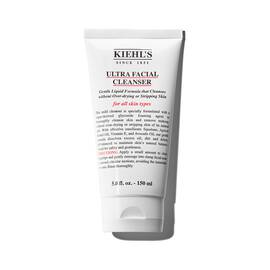
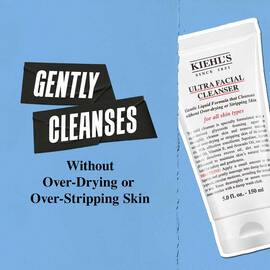

Ultra Facial Foaming Cleanser
A gentle yet effective foaming facial cleanser that removes excess oil, dirt and debris while supporting the skin’s natural balance.
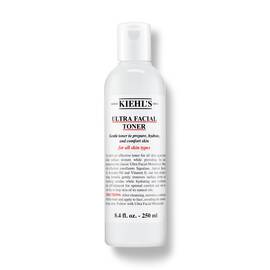

Ultra Facial Toner
A gentle, alcohol-free facial toner for all skin types.
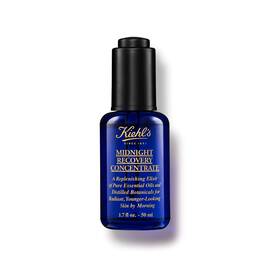
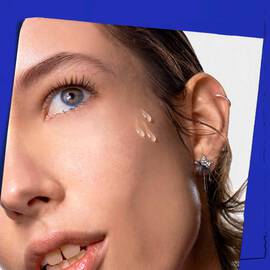
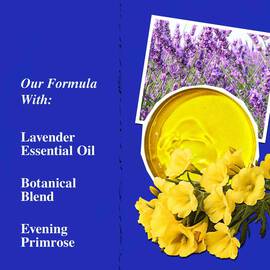
Midnight Recovery Concentrate Facial Oil
Midnight Recovery Concentrate is a nighttime face oil infused with lavender, squalane, and evening primrose oils, designed to nourish, hydrate, and leave skin radiant, soft, and supple by morning.

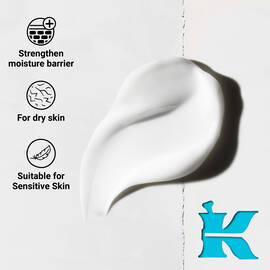
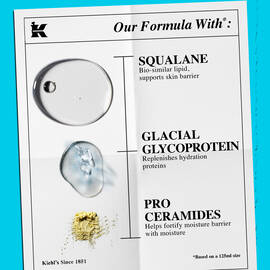
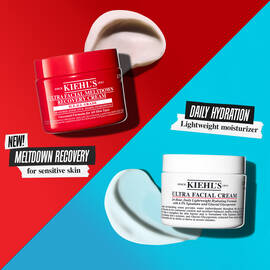
Ultra Facial Cream with Squalane
Our best selling daily face cream for ultra-lightweight, 24-hour hydration, formulated with Squalane. This lightweight moisturiser is suitable for all skin types, including sensitive, and provides instant hydration for soft, smooth and healthy-looking skin. Fragrance-free.
