

What are AHAs, What are BHAs – and Which is Right for Your Skincare Routine?
Think of chemical exfoliants as your skin’s reset button – revealing a smoother, fresher-looking complexion beneath.
Among the most effective are AHAs (alpha hydroxy acids) and BHAs (beta hydroxy acids), two exfoliating ingredients that help lift dull surface cells and even skin texture for a radiant glow. So, what are BHAs and AHAs – and how do they differ?
Read on to discover what makes each unique, how to use them safely, and how to choose the right option for your skin.
What are AHAs?
AHAs – or alpha hydroxy acids – are gentle, water-soluble exfoliants that work on the skin’s surface to lift away dull, dead cells, revealing a fresher, more luminous layer beneath.
Suitable for all skin types, AHAs are particularly effective for mature, dry, or sun-damaged complexions. They hydrate while supporting the performance of other actives, such as retinol and hyaluronic acid.
Common AHAs include:
- Citric acid
- Lactic acid
- Glycolic acid
What are BHAs?
BHAs, or beta hydroxy acids, are oil-soluble exfoliants that can travel deeper into the pores.
By clearing out trapped oil and buildup, they can help reduce congestion that causes blemishes and breakouts. This makes them particularly effective for oily or blemish-prone skin, as they help promote clarity without impacting on the skin’s essential moisture.
Common BHAs include:
- Salicylic acid
- Tropic acid
- Lipo-hydroxy acid (LHA)
AHAs vs BHAs: What’s the difference?
While both ingredients promote cell turnover and smooth texture, the key difference between AHAs vs BHAs lies in how they interact with the skin.
- AHAs are water-soluble, working on the skin’s surface layer to boost radiance and hydration while minimising dryness, fine lines, and uneven tone.
- BHAs are oil-soluble, meaning they penetrate deeper into the pores to dissolve excess oil buildup – helping to reduce blackheads and other breakouts.
In short? AHAs focus on resurfacing and hydration, while BHAs specialise in deep pore cleansing and balance.
AHAs vs BHAs: Which is right for your skincare routine?
Both exfoliants can transform your routine – the key is choosing one that suits your skin’s needs, before introducing it slowly into the rhythm of your skincare regimen.
- If your skin feels dry or looks dull, AHAs can help restore hydration and promote a smoother, more even appearance by supporting the skin moisture barrier.
- If you experience oiliness or blemish-prone skin, BHAs may be the better match – helping to clear pores and reduce visible redness without over-drying.
Many people benefit from using both types, since AHAs and BHAs target different layers of the skin. The goal is consistency – so alternate usage, and pay attention to how your skin responds. If discomfort persists, it’s always best to seek advice from a dermatologist.
Not sure where to start? Try our online Instant Skin Reader to uncover your ideal match.
How to use AHAs and BHAs safely
Learning what BHAs and AHAs are in skincare is only half the story. The rest? Knowing how to use them correctly to maximise their benefits, while avoiding unwanted sensitivity.
Because these are potent exfoliants, gentle introduction is essential. Over-exfoliating can cause dryness, so less is often more. Before applying, patch-test under your jawline to check for sensitivity, and begin using them once or twice a week. As your skin adjusts, gradually increase frequency for best results.
After you’ve prepped your skin, apply AHAs and BHAs by:
- Begin with clean, well-hydrated skin – avoid use on freshly waxed, broken, or sunburnt areas.
- Apply a pea-sized amount evenly over the face.
- Follow with a hydrating serum or moisturiser to replenish moisture.
- Finish with broad-spectrum SPF protection during the day, as exfoliants can heighten sun sensitivity.
Directions can differ across products, so always follow the guidance on the label for best results.
Explore Kiehl’s skincare powered by AHAs and BHAs
For Kiehl’s, the idea of AHAs vs BHAs isn’t about choosing one over the other.
Each exfoliant plays a unique role – and when used together correctly, they can help support your skin’s long-term balance. Now, read on to explore which Kiehl’s formulas feature these powerhouse ingredients, and how to use them in your skincare routine.
Blue Herbal Blemish Cleanser Treatment
Our Blue Herbal Blemish Cleanser Treatment is formulated with both AHAs and BHAs for a balanced approach to exfoliation. Salicylic acid, a BHA, works to deeply cleanse pores: while the AHA, citric acid, helps calm and rehydrate the skin. Gentle yet effective, this formula is suitable for all skin types – and can be used morning and night.
Clearly Corrective™ Daily Re-Texturizing Triple Acid Peel
When your skin needs a deeper refresh, our Clearly Corrective™ Daily Re-Texturizing Triple Acid Peel delivers a blend of AHAs and BHAs to visibly renew tone and texture. It helps minimise the look of enlarged pores and restore radiance to your skin.
Suitable for all skin types, this gentle yet effective formula can be used up to twice daily. Simply apply a thin, even layer to your face, allow it to absorb fully, then follow with Ultra Facial Cream – a lightweight moisturiser with squalane to help lock in hydration.
Avocado Nourishing Hydration Mask
To restore moisture after exfoliating, our Avocado Nourishing Hydration Mask blends the AHA citric acid with shea butter, avocado oil, and extract to nourish and hydrate in just 15 minutes. Suitable for all skin types, it can be used two to three times weekly to maintain hydration and balance – and is a key staple of any summer skincare routine.
You’ve learned how AHAs vs BHAs work for your skin – next, explore how to build and order your skincare routine for the best results.
Shop this article
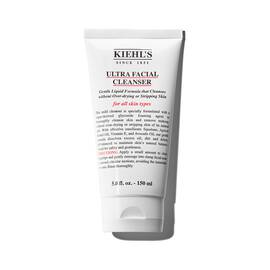
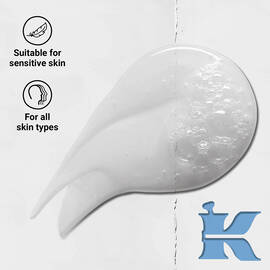
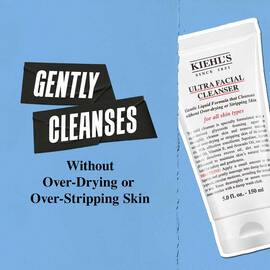

Ultra Facial Foaming Cleanser
A gentle yet effective foaming facial cleanser that removes excess oil, dirt and debris while supporting the skin’s natural balance.
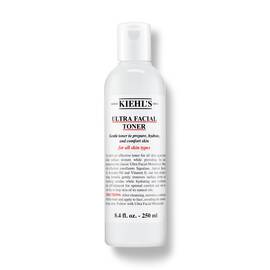

Ultra Facial Toner
A gentle, alcohol-free facial toner for all skin types.
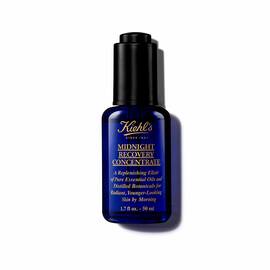
Midnight Recovery Concentrate Facial Oil
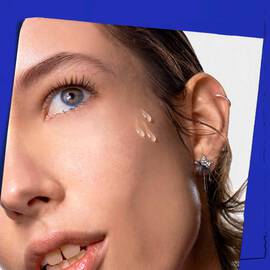
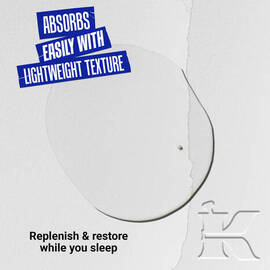
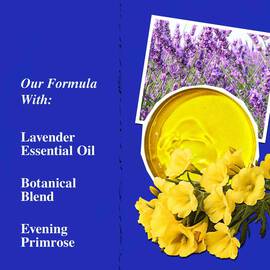
Midnight Recovery Concentrate is a nighttime face oil infused with lavender, squalane, and evening primrose oils, designed to nourish, hydrate, and leave skin radiant, soft, and supple by morning.

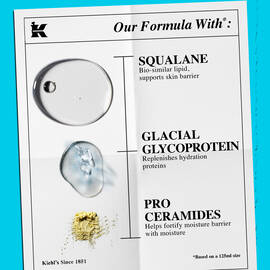
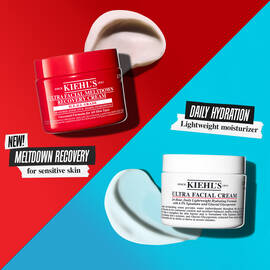
Ultra Facial Cream with Squalane
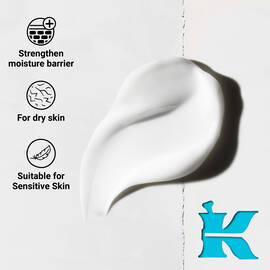
Our best selling daily face cream for ultra-lightweight, 24-hour hydration, formulated with Squalane. This lightweight moisturiser is suitable for all skin types, including sensitive, and provides instant hydration for soft, smooth and healthy-looking skin. Fragrance-free.
