

Nourish Your Skin Moisture Barrier: The Ultimate Hydrating Routine
There’s a lot of talk in the skincare world about skin moisture barriers – and for good reason. The skin moisture barrier is our skin’s protective layer against external elements. They also indicate imbalances in the skin such as dehydration and sensitisation. As an essential component of the overall health and appearance of your skin, it’s important to care for your skin moisture barrier with nourishing ingredients that support hydration. For guidance on how to strengthen your skin moisture barrier, we’ve consulted Kiehl’s skincare experts for their recommended products, ingredients and hydration tips.
What is the skin moisture barrier?
Our skin is a complex system of different layers. The skin moisture barrier or ‘stratum corneum’ is the outermost layer of the epidermis1 and is comprised of skin cells, lipids and ceramides. We can think of the skin moisture barrier as our body’s protective shield against external aggressors like UV rays, pollution, improper skincare, bacteria, and harsh weather conditions like winter, dry heat, or high humidity. The skin moisture barrier helps seal in moisture and prevent transepidermal water loss.
A disrupted skin moisture barrier can give the appearance of stressed skin. Depending on your skin type, you might experience dryness, flakiness, rough texture, excess oil in oily skin types, possible breakouts, redness, and tingling sensations. In fact, a compromised skin moisture barrier can even exacerbate sensitive and allergy-prone skin. On the other hand, what does a healthy skin moisture barrier look like? A balanced skin moisture barrier will feel smooth, plump and supple, with noticeable clarity and radiance.
1https://training.seer.cancer.gov/melanoma/anatomy/layers.html
Key ingredients to lock in moisture
The skin moisture barrier can be fickle at times, so it’s important to use ingredients that support and strengthen its function. You can help protect your skin moisture barrier with efficacious ingredients that nourish the skin and encourage moisture retention. Such hero ingredients include:
- Hyaluronic acid – how could we discuss hydration without mentioning this key ingredient? Hyaluronic acid is a humectant, meaning it attracts water, so it hydrates the skin’s surface. It is also naturally occurring in the body, so it is highly compatible with various skin types.
- Glycerin – used for its emollient and humectant properties, glycerin is formulated in a range of moisturisers and cleansers to help boost moisture, soften the skin and fortify the skin moisture barrier. It also delivers comfort to sensitive and allergy-prone skin.
- Ceramides – these are the naturally occurring lipids (oils) in the skin that help seal in hydration for a robust skin moisture barrier. Using ceramides in skincare acts as a further shield for your skin against environmental aggressors.
- Niacinamide – this water-soluble vitamin B3 can be applied topically to strengthen the skin moisture barrier and protect against harmful external stressors.
Creating your hydrating skincare routine
When curating a hydrating skincare routine to maintain a healthy skin moisture barrier, you can seek out products formulated with some of the aforementioned ingredients to help protect and fortify the stratum corneum. Your morning and evening routines will differ slightly, and you can also bolster your skincare practice with targeted treatments that further nourish and support the skin moisture barrier. Both your morning and evening hydrating skincare routine should comprise three stages: cleansing, hydrating with serums, and moisturising. In the morning, you’ll want to prioritise SPF. In the evening, you might layer a richer moisturiser for deep overnight hydration.

1. Use a nourishing cleanser
Cleansing is essential for removing impurities that can further upset the skin moisture barrier. Seek out gentle formulas that nourish rather than draw moisture from the skin. We recommend our best-selling Ultra Facial Cleanser which is formulated with squalane to help replenish the skin moisture barrier. Depending on your skin, you may find it beneficial to double cleanse at night to remove sweat, oil and other debris that accumulates through the day.
2. Fortify your skin moisture barrier with serums
Serums are a great way to support hydration and boost the efficacy of your moisturiser that follows. Harness the power of 15% glycerin with our Hydro-Plumping Serum Concentrate which penetrates up to 10 surface layers to smooth the skin and improve the appearance of dehydration. To strengthen impaired skin moisture barriers, we recommend our Vital Skin-Strengthening Super Serum, which is infused with hyaluronic acid to deliver deep hydration and our Adaptogenic Herbal Complex to protect skin from stressors.

3. Layer your moisturiser
If you want to improve your skin moisture barrier, the best moisturiser for your skin type is one that supplements your natural lipids. Nourishing ingredients like avocado oil, squalane oil and apricot kernel feature prominently across Kiehl’s moisturising range. Our best-selling daily moisturiser, Ultra Facial Cream, is lightweight while offering 24-hour hydration for all skin types. If your skin is more on the sensitive side, opt for Centella Sensitive Cica-Cream to simultaneously nourish the skin while repairing the skin moisture barrier. For on-the-go skin moisture barrier protection, use Ultra Facial Barrier Balm with Squalane.
4. Finish with SPF or overnight mask
This final stage will change from your AM to PM skincare ritual. In the morning, sunscreen is your best defence against external stressors that can weaken your skin moisture barrier. Apply Ultra-Light Daily Facial Sunscreen UV Defense SPF 50 PA++++ at least 20 minutes before sun exposure. At night, consider using Ultra Facial Overnight Rehydrating Mask with 10.5% Squalane to soften the skin and stabilise skin moisture barrier function.
Additional tips for hydration
In addition to our hydrating skincare routine, there are other measures you can take to improve your skin moisture barrier function.
- Drink plenty of water: this can help curb the effects of dehydrated skin like dullness, dry patches and the appearance of fine lines.
- Use a humidifier: this is especially helpful during winter when the air is dryer (and thus drying out your skin) to help preserve your skin’s moisture content.
- Don’t take excessively hot showers: while it can be tempting to crank up the heat in cooler months, hot water can rob the skin of essential moisture, so try to avoid it where you can.
- Avoid harsh skincare products: over-cleansing, over-exfoliating or harsher skincare ingredients like retinol can deprive the skin of moisture so you might want to avoid stringent ingredients and focus on comforting products.
Maintaining a healthy skin moisture barrier can be particularly tough during in cool, dry months. Ahead, discover how to take care of dry skin in winter
SHOP THIS ARTICLE

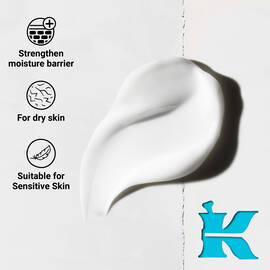
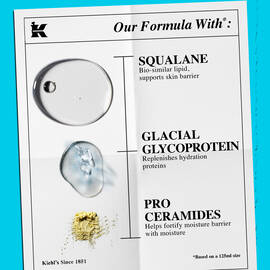
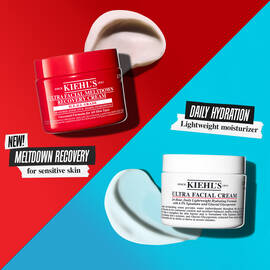


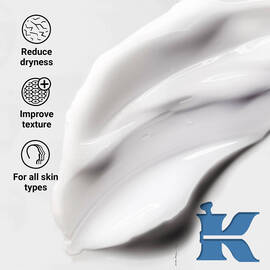
Ultra Facial Cream
Our best selling daily face cream for ultra-lightweight, 24-hour hydration, formulated with Squalane. This lightweight moisturiser is suitable for all skin types, including sensitive, and provides instant hydration for soft, smooth and healthy-looking skin. Fragrance-free.
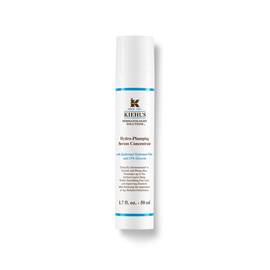

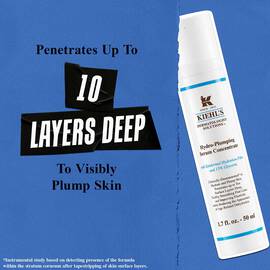
Hydro-Plumping Serum Concentrate
An efficacious skin plumping serum that hydrates to help skin maintain its bouncy appearance.
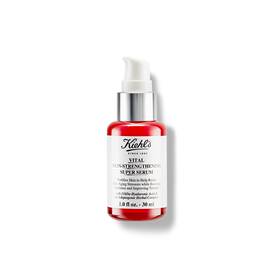
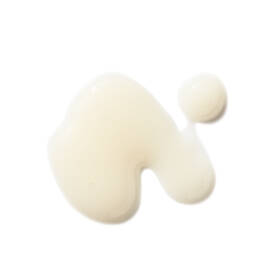
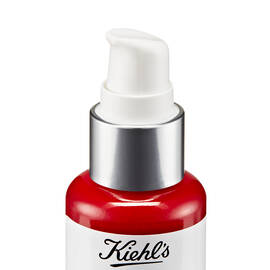
Vital Skin-Strengthening Super Serum
A skin-strengthening serum that helps protect against skin-aging stressors and visibly reduce signs of aging.
