

HOW TO TAKE CARE OF DRY SKIN IN WINTER
Our skin is ever-changing, and the products that work for our complexions throughout the year might fall short once winter hits. It’s common to experience dry skin in winter – and it can be an uncomfortable period without proper hydration and care.
To combat dryness from both indoor and outdoor stressors, you can implement a winter skin routine that will support your skin’s changing needs throughout the cooler months. Below, you’ll find our expert advice on how to manage dry skin during the winter using Kiehl’s ultra-nourishing products and a few lifestyle adjustments.
What causes dry skin in the winter?
Dry skin in winter happens through a process called transepidermal water loss (or TEWL), whereby environmental conditions pull water from the skin's layers.
TEWL is accelerated by factors such as:
- Cold temperatures
- Harsh winds
- Low humidity levels
- Longer, hotter showers
- Continual use of indoor heating
Winter sees an uptick in dryness across all skin types. Common signs of winter skin include:
- Rough, textured skin
- Visible dead skin on the surface layer
- Flakiness and scaliness
- Redness in skin
- Increased sensitivity
- Tender skin sensations
- Chapped lips
- Dry hands
How to prevent dry skin in winter: 6 winter skincare tips?
Implementing winter-specific skincare can help prep skin for harsh outdoor conditions, mitigate transepidermal water loss, and keep your complexion soft and radiant. From your cleanser to your moisturiser, you might find that you need a complete skincare overhaul to hydrate dry skin during winter.
Read on for our six skincare tips to nourish parched skin in the colder months.
1.Opt for a gentle cleanser
The hydrating element of skincare routines is often attributed solely to moisturisers, facial oils and evening creams. However, all skincare steps should support moisture levels – and this is especially important when the temperature drops.
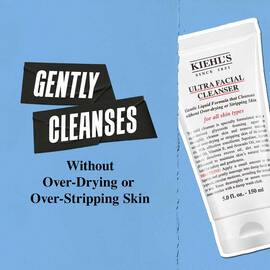
As part of your winter skin routine, opt for a gentle cleanser that contains moisturising properties – and that won't remove the skin's natural oils.
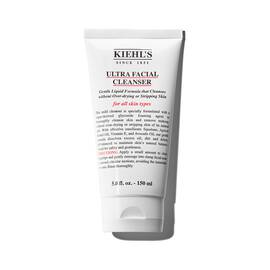
Here, Ultra Facial Cleanser fits the bill – effectively removing impurities while maintaining skin comfort. Suitable for sensitive and dry skin types, this cleanser is enriched with a nourishing blend of squalane, apricot kernel oil, vitamin E, and avocado oil.
2. Incorporate hydrating serums
If you're experiencing dry skin during winter, the best serum for your face will help promote water retention in the skin. We recommend seeking out known humectants (water-attracting ingredients) like hyaluronic acid and glycerin. Thanks to their small molecular sizes, they can penetrate deep into the skin and impart hydrating benefits.
Our Hydro-Plumping Serum Concentrate is infused with epidermal hydration filler and 15% glycerin to intensely hydrate and plump dry skin in winter. This serum can be applied morning and night between cleansing and moisturising.
3. Lock in nourishment with a rich moisturiser
The best moisturisers for dry skin in winter are thick-textured formulas that contain intensely nourishing skincare ingredients to help boost your skin's moisture content.
Our number one facial moisturiser, Ultra Facial Cream, is packed with moisturising squalane, glacial glycoprotein, and glycerin. These ingredients help to re-establish and maintain moisture, for 24-hour hydration and soft skin.
If you're struggling with a damaged skin moisture barrier, our Ultra Facial Barrier Balm with Squalane can help fortify stressed winter skin. Developed for use both at home and on the go, this invisible balm provides lasting hydration with squalane and pro-ceramides.
4. Revive dry skin overnight
As we sleep, our skin works to repair itself, addressing stressors that built up over the day. Overnight creams, serums and oils support this process by imparting deep nourishment to the skin's layers.
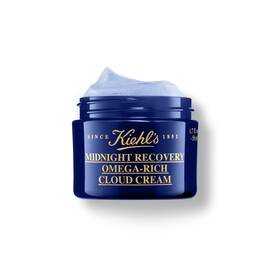
To combat dry skin in winter, consider an overnight cream like the Midnight Recovery Omega Rich Cloud Cream. This overnight cream has a thicker texture than daytime moisturisers to allow for continued absorption and protection as you sleep. The formula is enriched with Omega 3 & 6 fatty acids and botanical blends to strengthen the skin's lipid layer and address oxidative stress.
Evening facial oils make a great addition to winter skincare. Along with imparting their own hydrating ingredients, they work to seal in the ingredients of your other products. They also help strengthen the skin moisture barrier for better protection against TEWL.
Midnight Recovery Concentrate Facial Oil works to visibly improve the look and feel of skin via a combination of hydrating evening primrose oil, comforting lavender essential oil, and softening squalane.
5.Don't forget daily sunscreen
UV rays are a common skin stressor that can impact your skin moisture barrier function. Since this lipid layer can become compromised in winter, sunscreen is going to be one of the most effective tools in your skincare arsenal.
UV rays are prevalent year-round – even in winter – so it's important to always use a broad-spectrum sunscreen at the end of your morning winter skincare routine. We recommend the Ultra-Light Daily Facial Sunscreen UV Defense SPF 50 PA++++, a lightweight, non-greasy formula that provides lasting hydration in addition to sun protection.
6. Prioritise on-the-go hand and lip care
Skin becomes more easily chapped in winter, and the hands and lips are often the first sign of dryness. For on-the-go nourishment for dry hands, we recommend the Ultimate Strength Hand Salve, a rich, thick formula that delivers a nourishing fusion of avocado oil, eucalyptus oil and sesame seed oil. As for lips, you can reach for the Lip Balm #1 to smooth and hydrate dry lips.
6 bonus winter skin tips
Managing dry skin in winter also encompasses healthy lifestyle habits you can adopt in colder months. With that in mind, be sure to combine the nourishing skincare ingredients we've outlined here with these additional winter skin tips:
- Increase your water intake – this can help with TEWL and mitigate signs of dehydration in the skin.
- Avoid overly hot showers – hot temperatures have a tendency to dry out the skin.
- Invest in a humidifier – these devices increase the moisture level in the air.
- Limit exposure to indoor heating – indoor heaters will pull moisture from your skin's layers.
- Be mindful of certain fabrics – for example, wool fabrics can feel uncomfortable against dry skin.
- Avoid harsh ingredients and products – winter skin tends to be in a heightened state of sensitivity, so avoid astringent ingredients that may disrupt the skin moisture barrier.
Knowing how to stop dry skin in winter is all about understanding that skincare is seasonal. So, when the weather warms up, adapt to the time of year with our guide to summer skincare.
SHOP THE SELECTION


Ultra Facial Cleanser
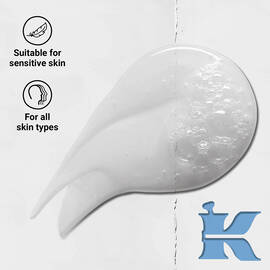
A gentle yet effective foaming facial cleanser that removes excess oil, dirt and debris while supporting the skin’s natural balance.
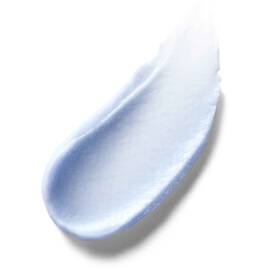


Midnight Recovery Omega Rich Cloud Cream
A 98.6% natural night cream that visibly plumps and restores radiance by morning

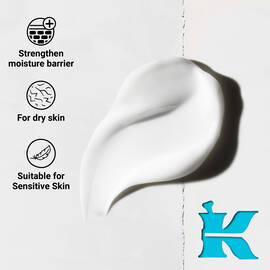

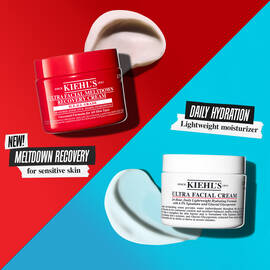
Ultra Facial Cream
Our best selling daily face cream for ultra-lightweight, 24-hour hydration, formulated with Squalane. This lightweight moisturiser is suitable for all skin types, including sensitive, and provides instant hydration for soft, smooth and healthy-looking skin. Fragrance-free.
EXPLORE MORE SKINCARE ADVICE


