
RETINOL AND SENSITIVE SKIN: CAN THEY WORK TOGETHER?
Retinol is a powerful skincare active known for its anti-ageing benefits, but it can also cause concern for those with sensitive skin.
The good news? Retinol and sensitive skin can work together – providing you introduce them gradually and support your skin with the right routine.
If you’ve been wanting to try retinol but aren’t sure where to begin, read on. Below, we’ll unpack the best retinol for sensitive skin and explore how you can incorporate it safely – and effectively – into your skincare routine for sensitive skin.
IS RETINOL OK FOR SENSIRIVE SKIN?
Yes, retinol can be suitable for people with sensitive skin. In fact, virtually all skin types can use retinol – with the right approach.
Retinol works by accelerating skin cell turnover to reveal fresher, smoother skin beneath. A staple of many anti-ageing skincare routines, it can reduce visible blemishes the appearance of ageing. Although one of retinol’s benefits is this renewing action, it can increase skin sensitivity – which is why building a balanced retinol sensitive skin routine is essential.
When used correctly, the best retinol for sensitive skin can help:
- Strengthen the skin’s surface for improved resilience
- Refine uneven tone and texture
- Reduce the frequency of breakouts
- Soften the look of fine lines and wrinkles
- Leave skin appearing firmer, smoother, and glowing over time
HOW TO INTRODUCE RETINOL TO SENSITIVE SKIN
When introducing retinol to sensitive skin, remember that every complexion is unique, and even gentle formulations can cause different reactions from person to person.
To achieve the best results with retinol and sensitive skin, consider:
- Layering your serums with care. Your current routine may already include potent actives. Start by pairing retinol with hydrating ingredients such as hyaluronic acid and avoid potentially harsh exfoliants like AHAs or BHAs until your skin adjusts.
- Seeking professional guidance. A dermatologist or healthcare professional can assess your skin, recommend the right product strength, and provide advice to minimise dryness during the adjustment phase.
- Protecting with daily SPF. Retinol can increase skin sensitivity to UV rays, which is why it’s best applied in the evening. Each morning, use a broad-spectrum sunscreen to prevent sunburn.
HOW TO USE RETINOL FOR SENSITIVE SKIN: 3-STEP GUIDE
There’s an old saying: if it’s worth doing, it’s worth doing right. And the same goes for introducing retinol – especially if you have sensitive skin.
The question isn’t just can retinol and sensitive skin work together, then – but how can you use retinol alongside your existing routine?
Most people will need to make a few simple changes to help their skin adjust comfortably. Here’s how to build a balanced and effective retinol sensitive skin routine that supports results while keeping sensitivity in check.
1. Start with a micro-dose retinol formula
The strength of retinol formulas can vary widely, and the best retinol for sensitive skin is one that leans toward a lower concentration. Starting with a gentle formulation helps maintain balanced oil production and minimise the risk of dryness or blemishes as your skin adapts.
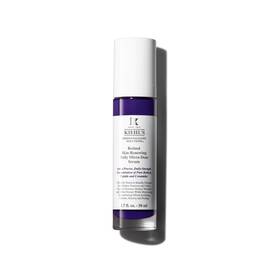
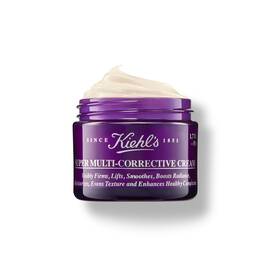
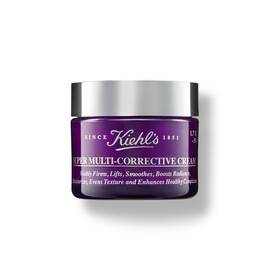
Our Retinol Skin-Renewing Daily Micro-Dose Serum is carefully designed to suit sensitive skin. It combines pure retinol with peptides and ceramides to help strengthen the skin’s moisture barrier and deliver visible, lasting results. To help sensitive skin adjust more comfortably, follow your retinol with our Super Multi-Corrective Cream – a fast-absorbing, anti-ageing formula infused with fragmented hyaluronic acid, vitamin A, and Chaga mushroom. It helps keep skin deeply hydrated as it acclimates, promoting a firmer feel.
2. Pair with a moisturiser
As your skin adjusts to retinol, it may feel drier or less able to retain moisture. To ensure retinol delivers results without discomfort, hydration is essential – so support your skin by pairing retinol with a gentle, thick-textured moisturiser.
Our Ultra Facial Cream delivers lasting 24-hour hydration, making it a trusted choice for sensitive skin. Formulated with skin-loving ingredients like glycerin, squalane, and glacial glycoprotein, it helps strengthen the skin’s moisture barrier while leaving the complexion soft.
Want to learn more about introducing retinol to sensitive skin? Explore our guide to retinol for beginners for more.
3. Keep your skincare routine simple
When you think about what retinol does for your skin, picture it as the star of your skincare stage, with the rest of your products making up the supporting cast.
When introducing retinol for sensitive skin, then, keep your lineup simple and focus on strengthening ingredients that help maintain balance, such as:
- Hyaluronic acid
- Ceramides
- Peptides
- Squalane
- Calendula
Now that you’ve learned how to make retinol and sensitive skin work in harmony, discover how pairing retinol and vitamin C can elevate your results.
SHOP THE SELECTION

Retinol Skin-Renewing Daily Micro-Dose Serum
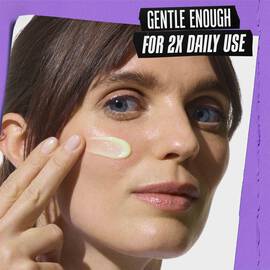
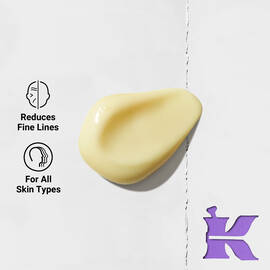
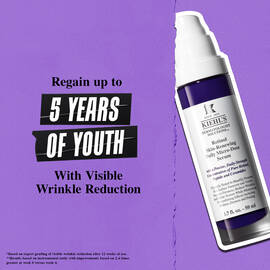
The Daily Micro-Dose Skin-Renewing Retinol Serum is a potent daily retinol serum which visibly reduces wrinkles, firms skin and refines the feel of skin's texture. Suitable for all skin types, the Kiehl's Micco-Dose Skin-Renewing Daily Retinol Serum is the best retinol for beginners and those with sensitive skin.
Super Multi-Corrective Cream
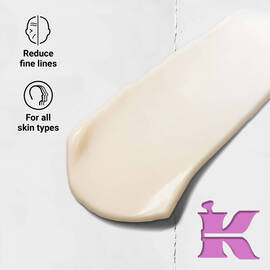
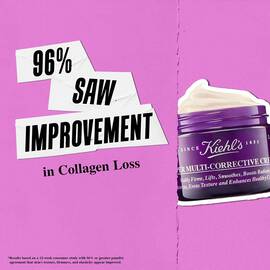
A supercharged anti-aging cream clinically proven to visibly reduce wrinkles, even skin tone, and reduce texture. Formulated with efficacious ingredients like hyaluronic acid, this anti-ageing face cream will help target the signs of ageing for a youthful-looking and radiant appearance. Paraben-free and mineral-oil free.
Retinol Skin-Renewing Daily Micro-Dose Serum
The Daily Micro-Dose Skin-Renewing Retinol Serum is a potent daily retinol serum which visibly reduces wrinkles, firms skin and refines the feel of skin's texture. Suitable for all skin types, the Kiehl's Micco-Dose Skin-Renewing Daily Retinol Serum is the best retinol for beginners and those with sensitive skin.
EXPLORE MORE SKINCARE ADVICE


